






Berlin Real Estate Market 2025 – Market, Regulation and Legal Framework Overview
In the first half of 2025, the Berlin real estate market recorded a marked increase in transaction activity. The Expert Committee for Property Values in Berlin (Gutachterausschuss) registered 10,864 purchase transactions, representing an increase of 16 percent compared with the same period of the previous year. Transaction volume rose by 13 percent to a total of EUR 6.9 billion [1]. Price developments varied by asset class. Condominium prices increased on average by 4 percent. New-build apartments recorded a nominal price increase of 12 percent. This figure was significantly influenced by micro-apartments; excluding this special segment, the price increase for new-build apartments was also 4 percent [1]. In the segment of residential rental buildings, the number of transactions rose by 12 percent, while prices increased by 6 percent [1]. Alongside the market recovery, key regulatory instruments were extended. In June 2025, the German Bundestag approved the nationwide extension of the rent cap (Mietpreisbremse) until 31 December 2029; the Bundesrat gave its approval in July 2025 [2][10]. At the state level, the Berlin Senate extended the conversion regulation (Umwandlungsverordnung) by five years. It entered into force on 13 March 2025 and applies to 81 social preservation areas [3]. The property tax reform also came into effect on 1 January 2025. The State of Berlin set the assessment rate for property tax B at 470 percent [4]. On 11 July 2025, the Expert Committee published the 2025 cost value factors (Sachwertfaktoren), based on an analysis of 3,297 purchase transactions from 2022 to 2024 [5]. In addition, the Berlin Senate issued a rent limitation ordinance in April 2025, ensuring the application of the rent cap from 1 June to 31 December 2025 [6].
Legislation and Regulation 2025 Property Tax Reform The property tax reform came into force nationwide on 1 January 2025. Berlin applies the federal valuation model, which is based on a comprehensive reassessment of all properties. […]
Buying Apartment Packages in Berlin – Opportunities, Variants and Strategies for Investors
For years, Berlin’s real estate market has been defined by rising demand, limited supply, and a constantly changing legal framework. While many buyers traditionally acquire a single condominium as an investment, apartment packages are increasingly coming into the spotlight. An apartment package refers to the purchase of multiple units – for example, 2, 5, 10, or even 20 apartments – in a single transaction. These units may be located within the same building, spread across several buildings, or offered as a portfolio in different neighborhoods. Apartment packages in Berlin are especially attractive for investors pursuing a long-term wealth strategy, looking to benefit from economies of scale, and seeking to capitalize on the stability of the Berlin residential market.
The Market for Apartment Packages in Berlin: Overview and Dynamics With over 3.8 million residents, Berlin is not only Germany’s largest city but also one of Europe’s most dynamic real estate markets. Demand for housing […]
Selling a property and moving home during lockdown – what to look out for
Your property is no longer right for you. It’s too small for you and your growing family, or too big now that the kids have left home. Yet now you are wondering about selling up during the lockdown – how do you go about organising the actual move? Are you even allowed to use the services of a removal company right now?
In principle, there hasn’t been a ban on house moves at any point during the lockdown in Germany. Removal companies are working more or less “normally”, whilst adhering to the social-distancing and hygiene rules. As […]
OUR TEAM
with passion for service

André Ahrends
Office Berlin Wilmersdorf
Real Estate Agent
German, English
+49 30 61 67 51 15
andre.ahrends@aden-immo.com

Michael Bautz
Office Berlin Friedrichshain
Real Estate Agent
German, English
+49 30 61 67 51 15
michael.bautz@aden-immo.com

Lars Drewes
Büro Berlin Wilmersdorf
Head of Sales
German, English
+49 30 23 633 533
lars.drewes@aden-immo.com

Ole Eggerss
Office Berlin Charlottenburg
Real Estate Agent
German, English
+49 30 61 67 51 15
ole.eggerss@aden-immo.com

Emma Granier
Office Berlin Wilmersdorf
Marketing Manager
French, German, English
+49 30 88 70 24 08
emma.granier@aden-immo.com

Jakob Gremerath
Office Berlin Friedrichshain
Real Estate Agent
German, English
+49 30 61 67 51 15
jakob.gremerath@aden-immo.com
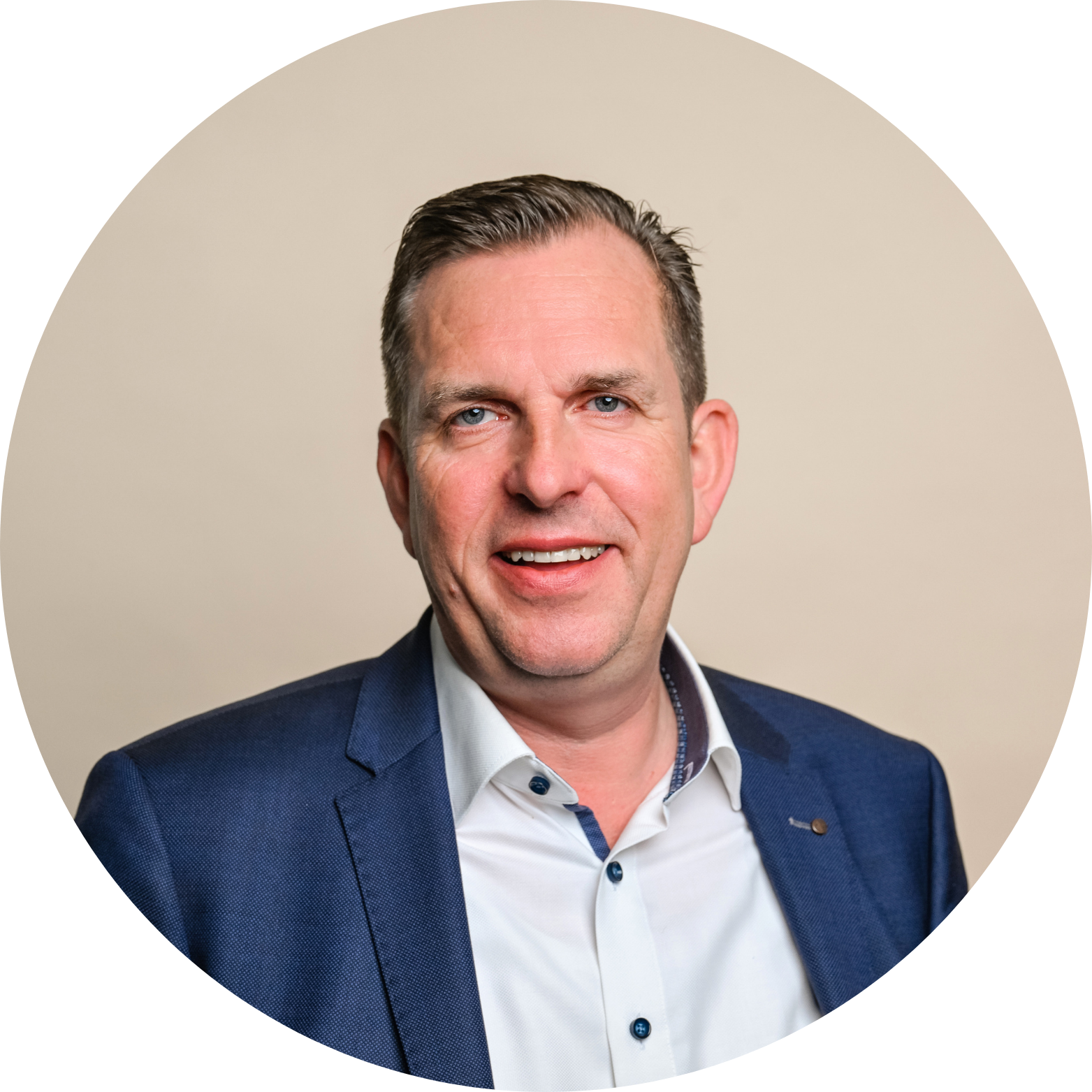
Dirk Höppner
Büro Berlin Wilmersdorf
Independant Real Estate Agent
German, English
+49 30 61 67 51 15
dirk.hoeppner@aden-immo.com

Florence Holz
Office Paris
Client Management
French, German, English
+33 1 56 33 70 70
florence.holz@aden-immo.com

Anastasia Ikonnikov
Office Berlin Charlottenburg
Real Estate Agent
German, English, Russian
+49 30 61 67 51 15
anastasia.ikonnikov@aden-immo.com

Andres Islas
Office Berlin Wilmersdorf
Rental Manager
German, English, Spanish
+49 30 887 024 07
andres.islas@aden-immo.com

Jessica Kiefer
Office Berlin Wilmersdorf
Working Student
German, English
+49 30 61 67 51 15
jessica.kiefer@aden-immo.com

Julian Kirsch
Office Berlin Charlottenburg
Real Estate Agent Acquisition
German, English
+49 30 61 67 51 15
julian.kirsch@aden-immo.com

Anita Klimczyk
Office Berlin Wilmersdorf
Office Manager
German, English, Polish
+49 30 23 633 533
anita.klimczyk@aden-immo.com

Olivier Montero
Office Berlin Friedrichshain
Real Estate Agent Acquisition
French, German, English
+49 30 61 67 51 15
olivier.montero@aden-immo.com
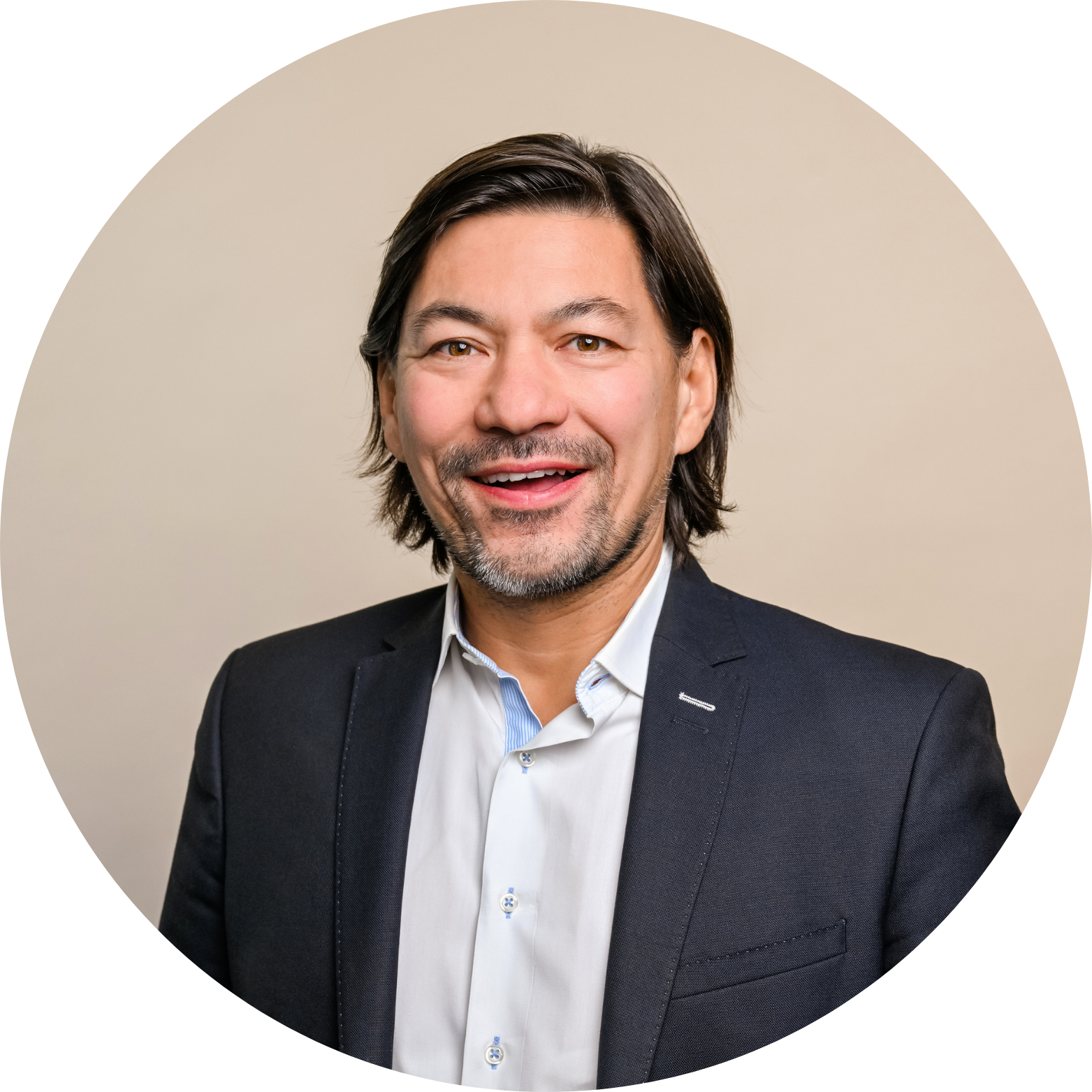
David Nguyen
Office Paris
Managing Director
French, English
+33 1 56 33 70 70
david.nguyen@aden-immo.com
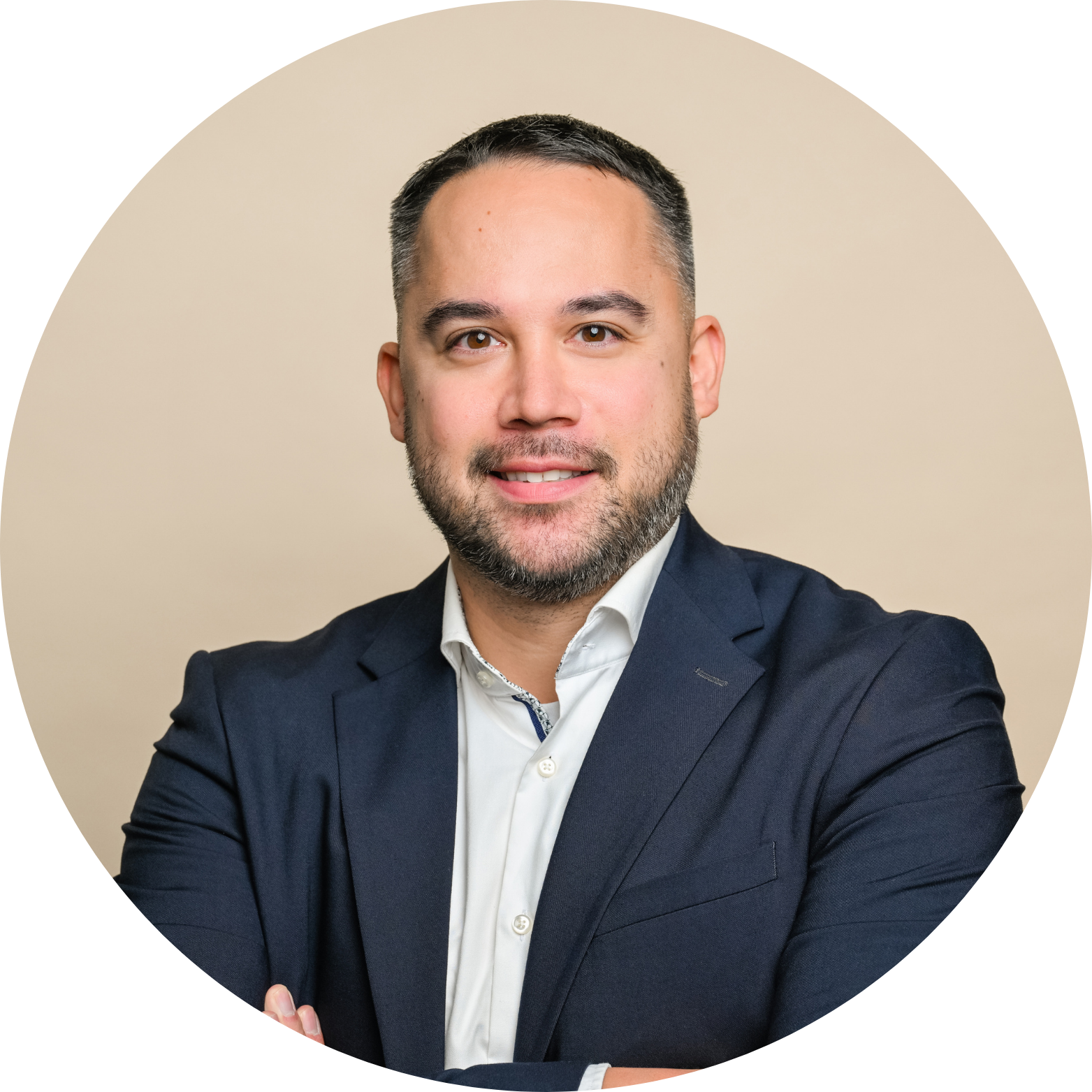
Rene Rettig
Office Berlin Wilmersdorf
Project Manager
German, English
+49 30 61 67 51 15
rene.rettig@aden-immo.com

Arnaud Schott
Office Berlin Wilmersdorf
Managing Director
French, German, English
+49 30 23 633 533
arnaud.schott@aden-immo.com

Cihan Selmo
Office Berlin Charlottenburg
Real Estate Agent
German, English, Turkish
+49 30 61 67 51 15
cihan.selmo@aden-immo.com

Alice Thion
Office Berlin Wilmersdorf
Project Manager
French, German, English
+49 30 88 70 24 08
alice.thion@aden-immo.com

David Wunnicke
Office Berlin Wilmersdorf
Independant Real Estate Agent
German, English
+ 49 30 61 67 51 15
david.wunnicke@aden-immo.com